A sports hall in summer: a roof that closes the hall
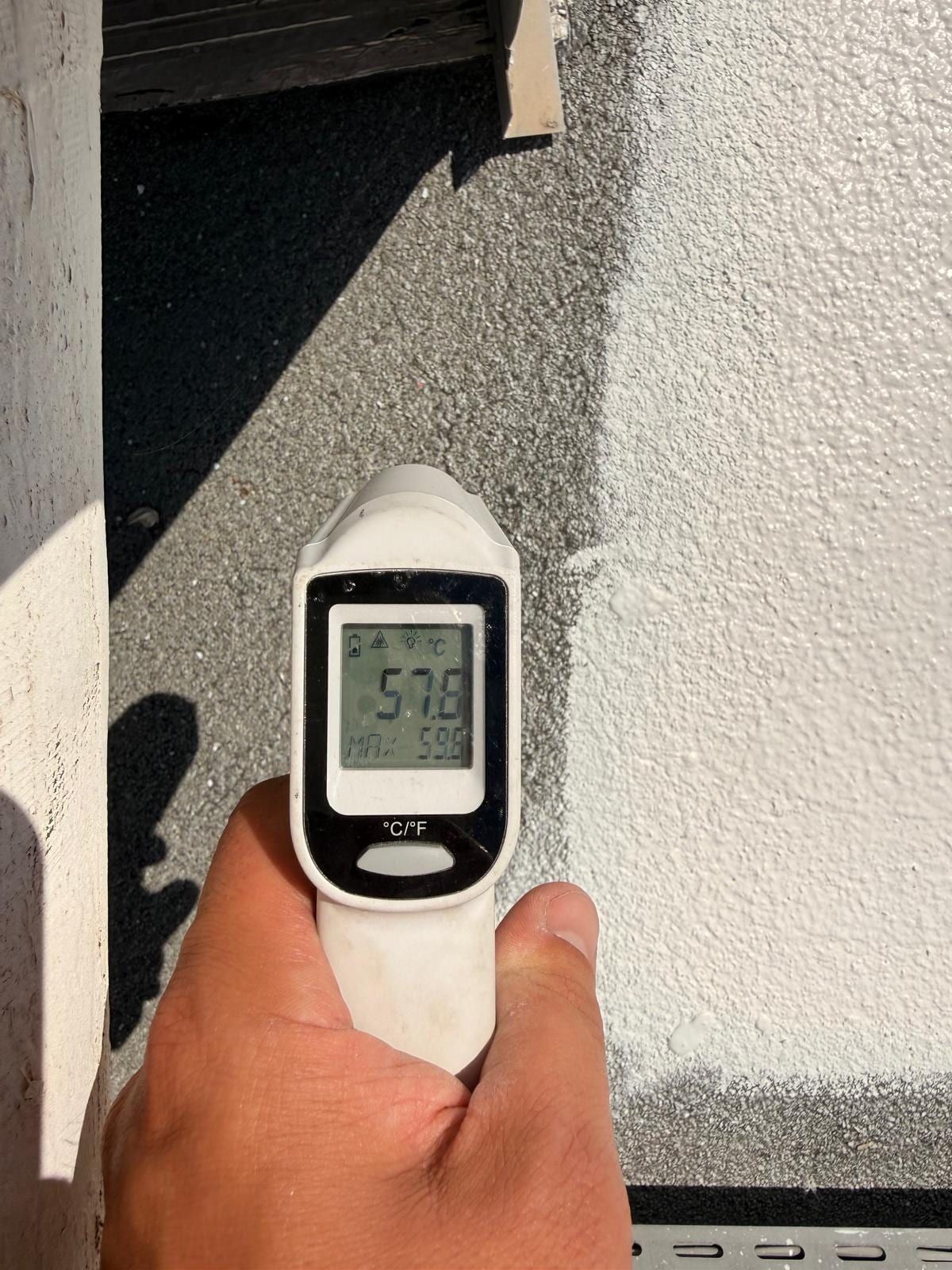
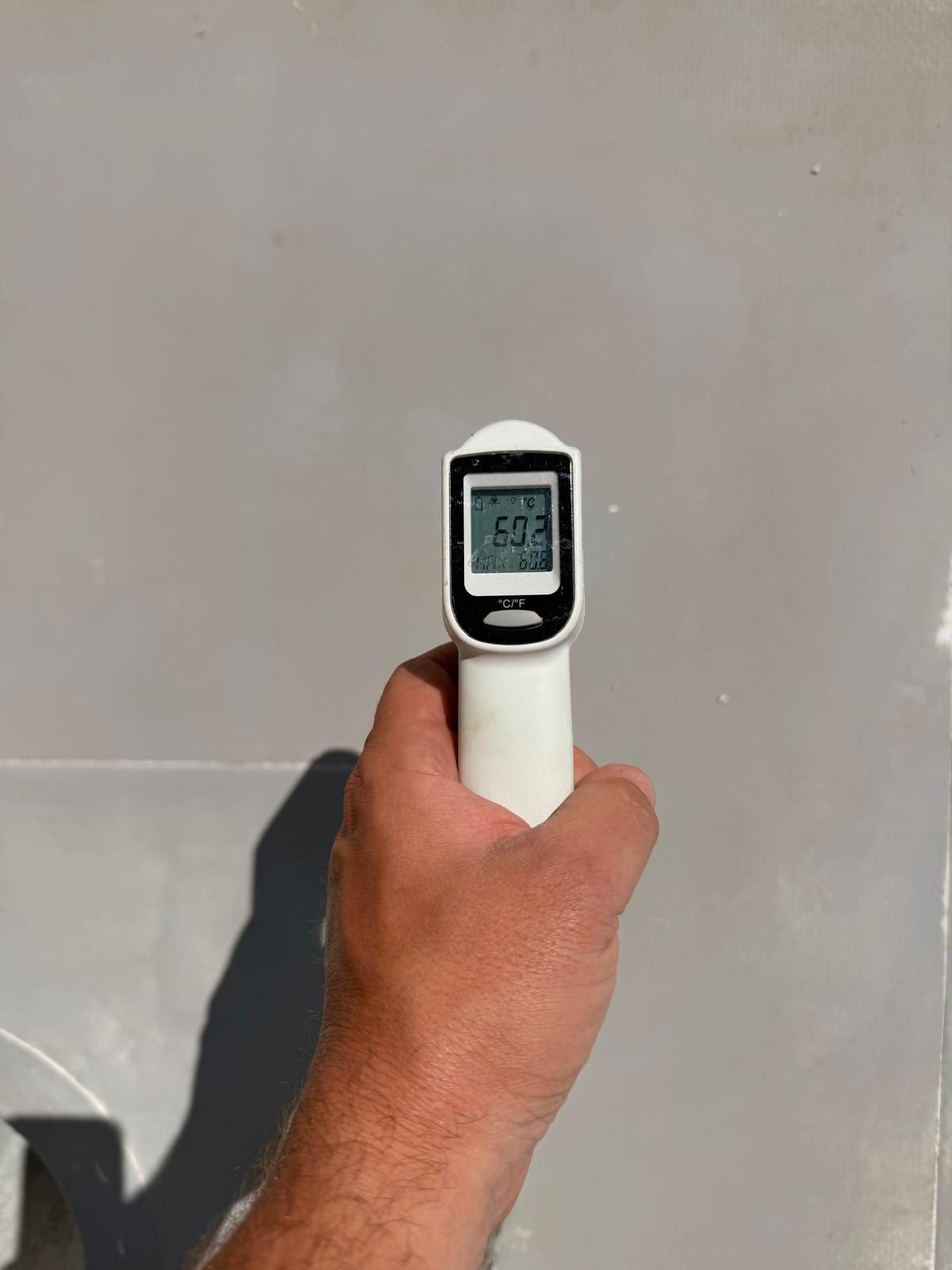
A sports facility is a single, high volume, covered by a large steel-deck roof or a dark membrane. At the height of summer, that roof exceeds 60 °C on the surface and radiates towards the hall, which has neither partitions nor floors to buffer it. From June, the indoor temperature exceeds 30 °C in the afternoon, then 35 °C during a heatwave: slots are cancelled, tournaments relocated, the clubs complain.
Air conditioning is not an answer
A 10 m high volume cannot be air-conditioned at an acceptable cost, neither in investment nor in operation, and the French tertiary-sector decree (Éco Énergie Tertiaire) pushes the other way. Reducing the heat received by the roof is the only action at building scale that makes the hall usable without consuming more.
One window for works: the summer closure
The works must fit into the summer closure or the school holidays. A project with a crane on the forecourt or scaffolding on the facades would neutralise the car park and the access for weeks.
What the PrimaTherm® system changes on a sports facility
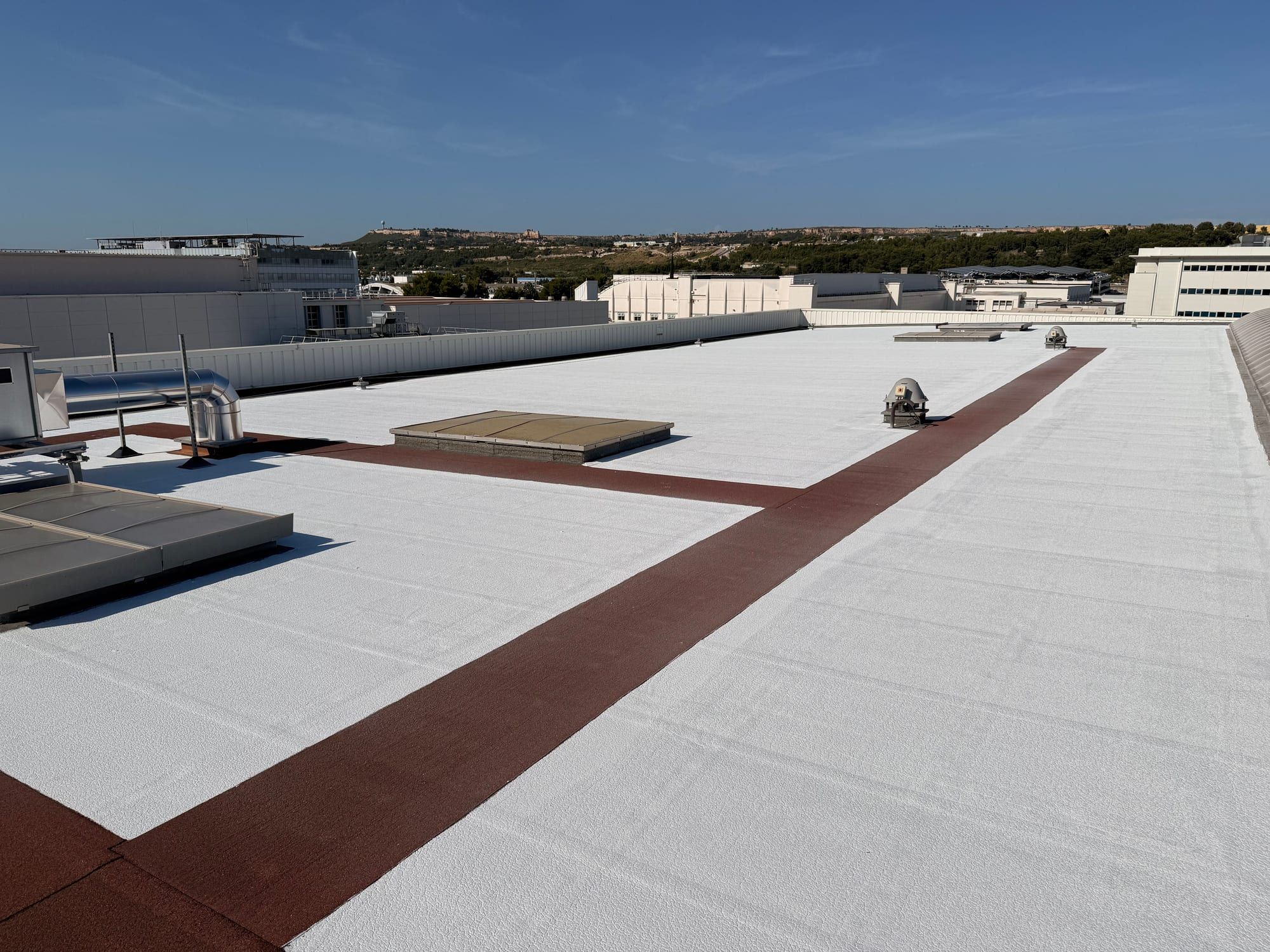
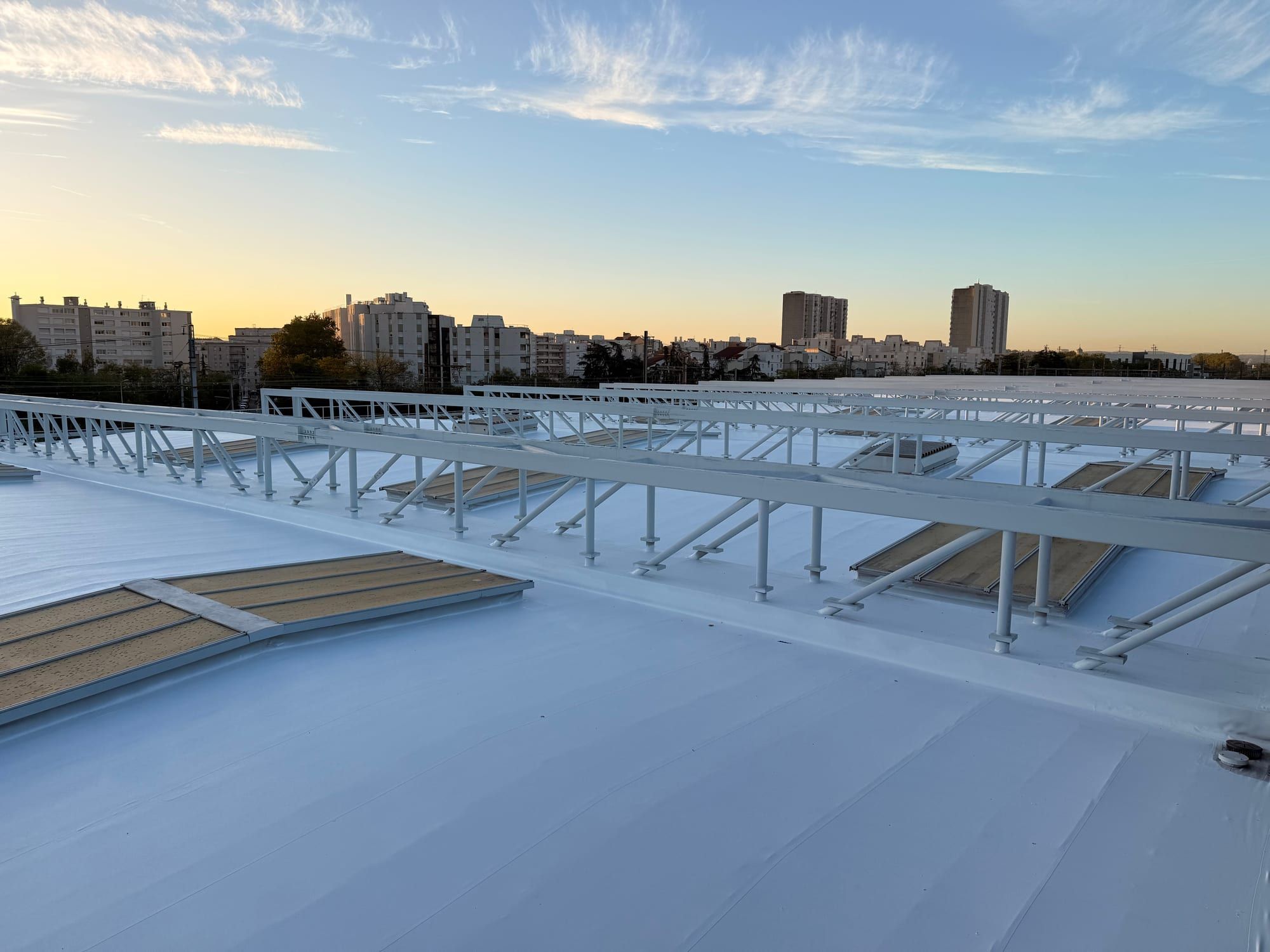
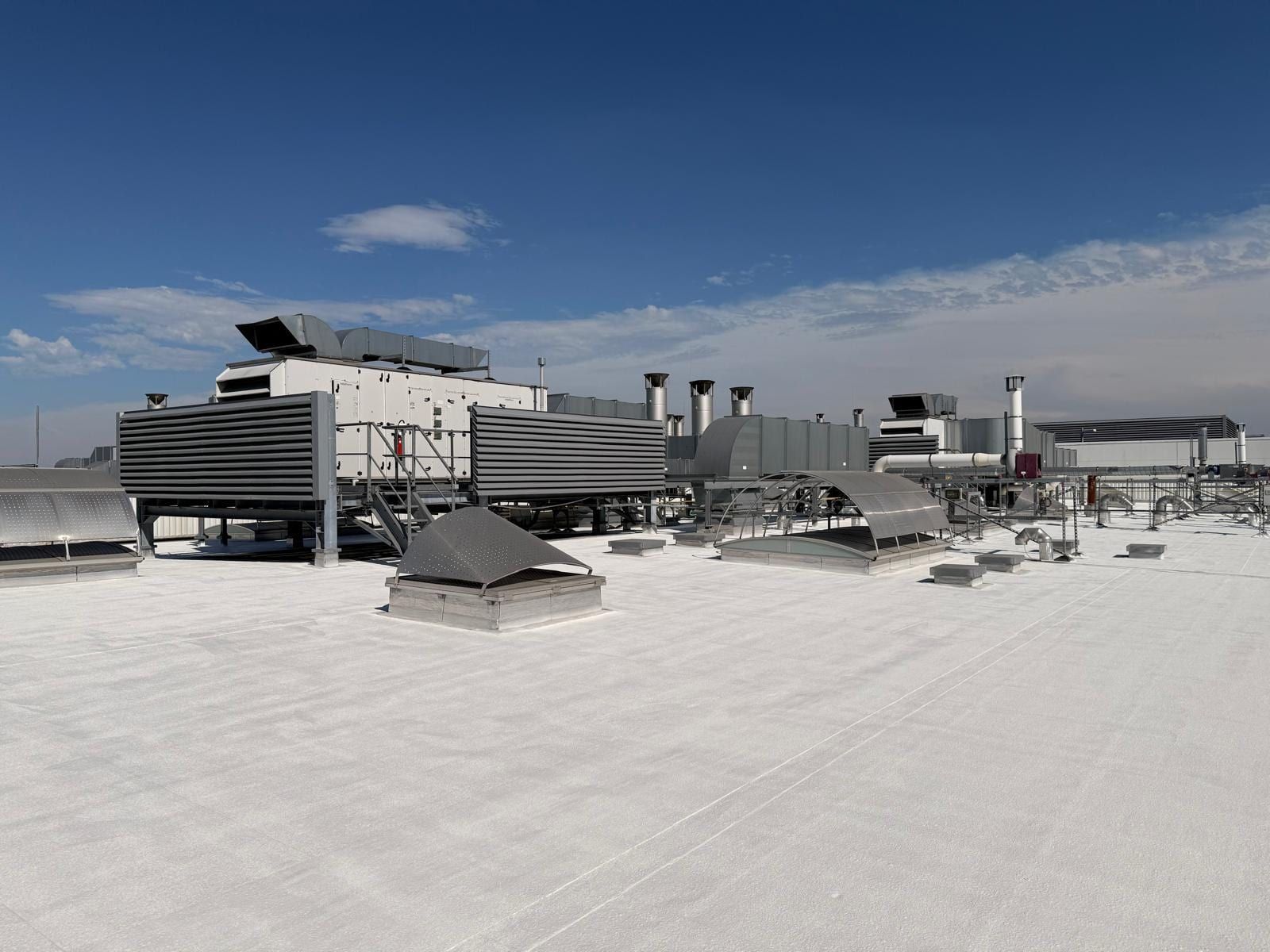
Hélios applies the PrimaTherm® system in 4 layers: PH169 primer suited to the substrate, PH107 reflective base coat in two passes, PH107TCL anti-soiling topcoat. It reflects 95 % of solar radiation (ASTM E903-12) with an emissivity of 0.89 and an SRI of 120, maintained at 119 after 4,000 hours of accelerated QUV ageing. The conventional service life used in the French CEE sheet is 20 years.
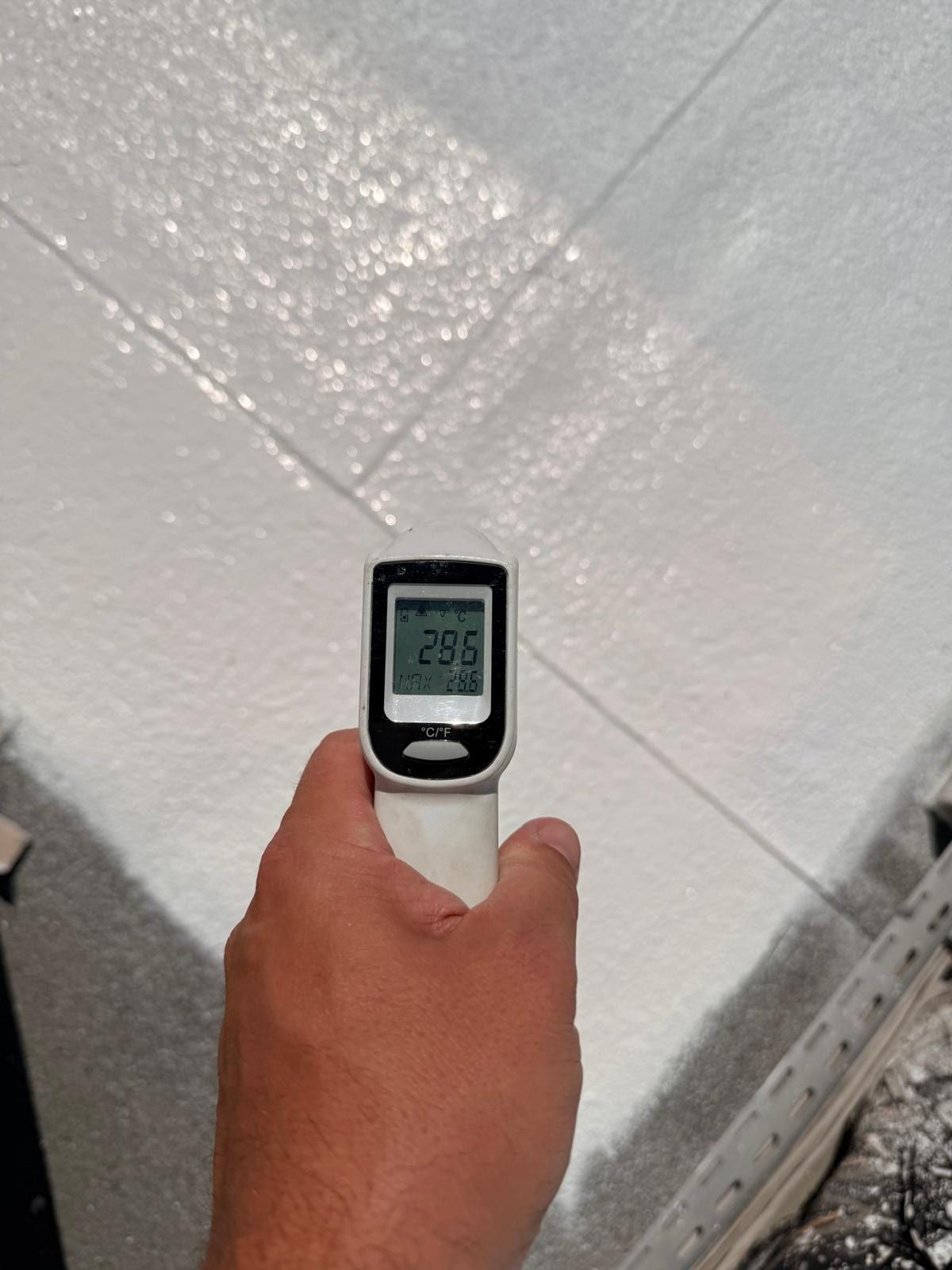
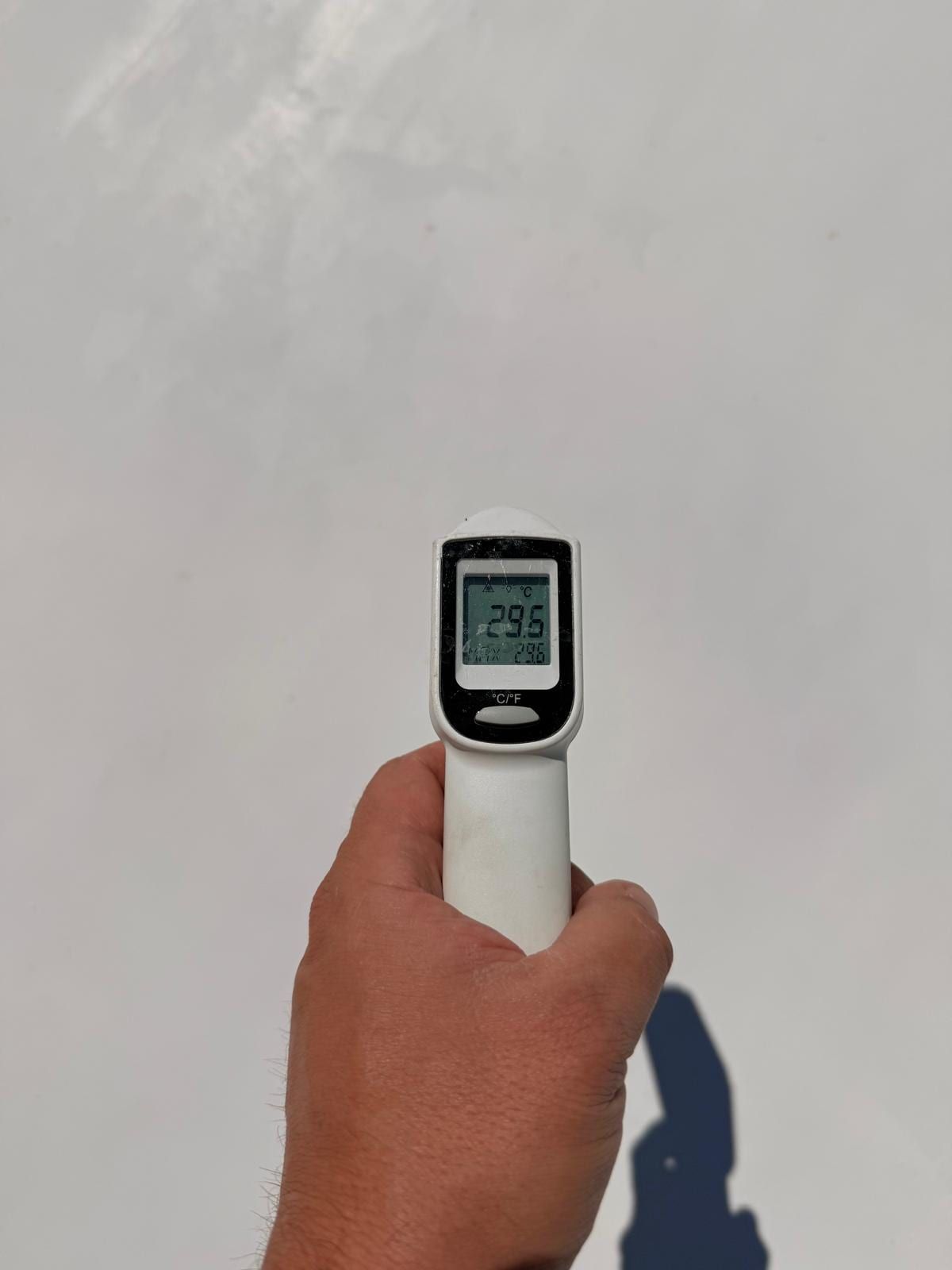
- Roof surface: up to −30 °C, measured with an infrared thermometer at handover.
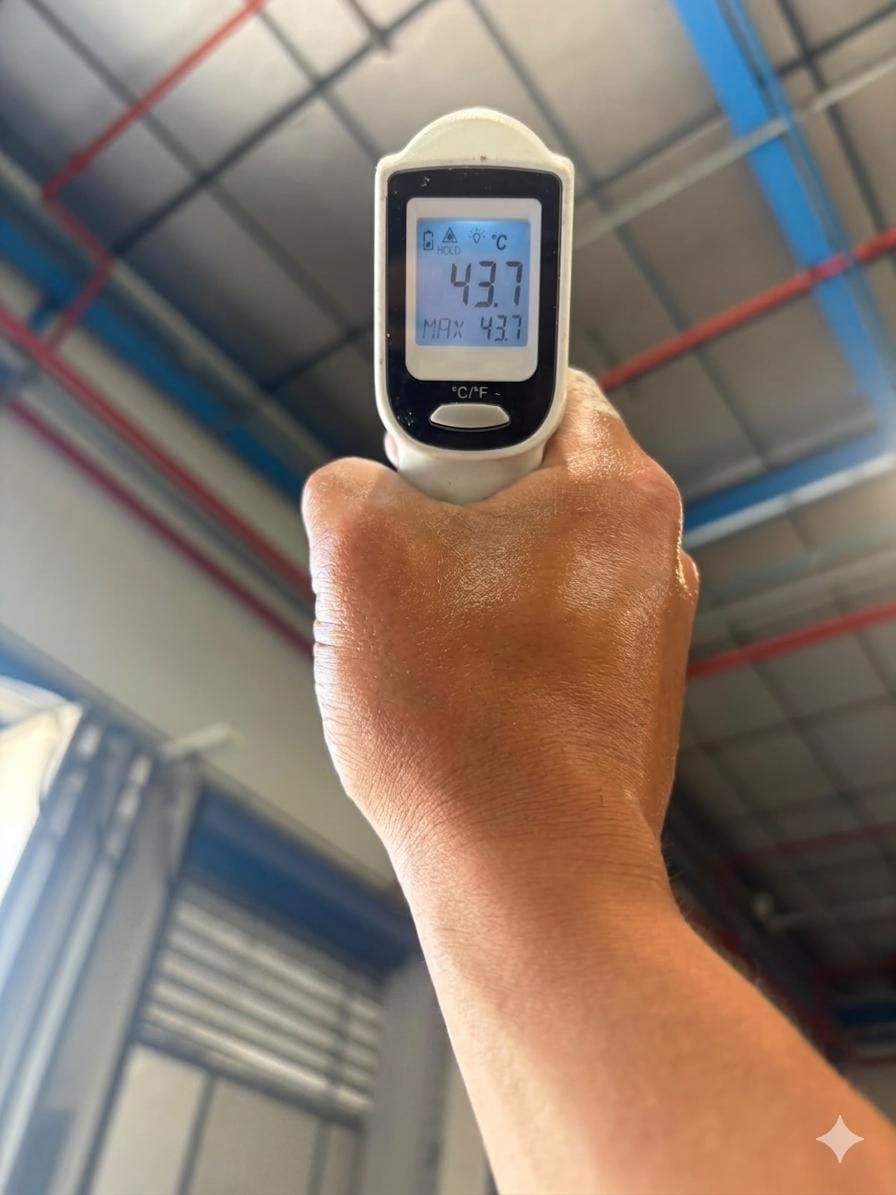
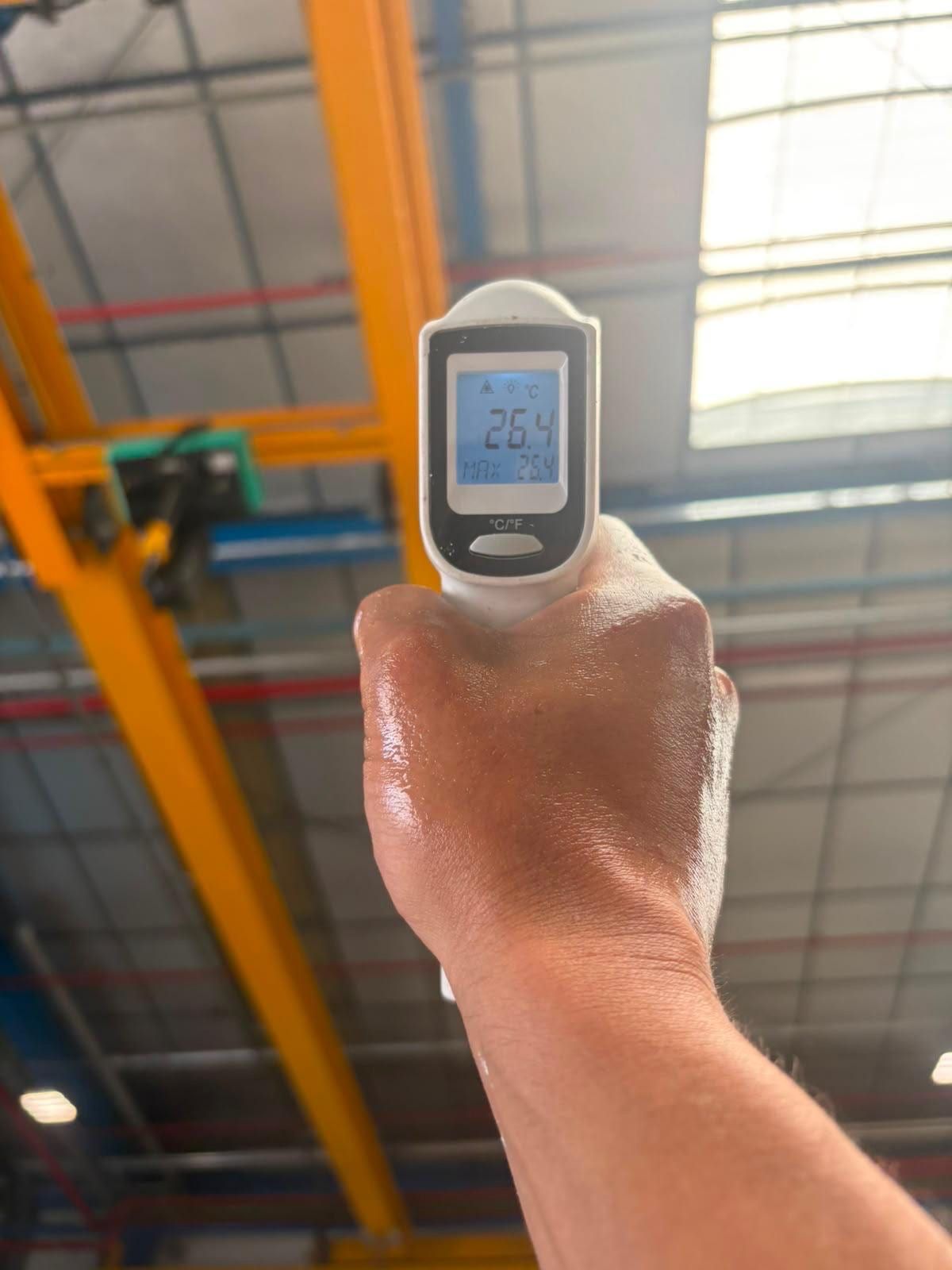
- In the hall: up to −6 °C felt depending on the insulation, the ventilation and the exposure.
- Works: a few days for a sports hall, without a crane, car park and forecourt accessible.
- Roof: fewer thermal shocks on the steel deck or the membrane, a re-roofing postponed.
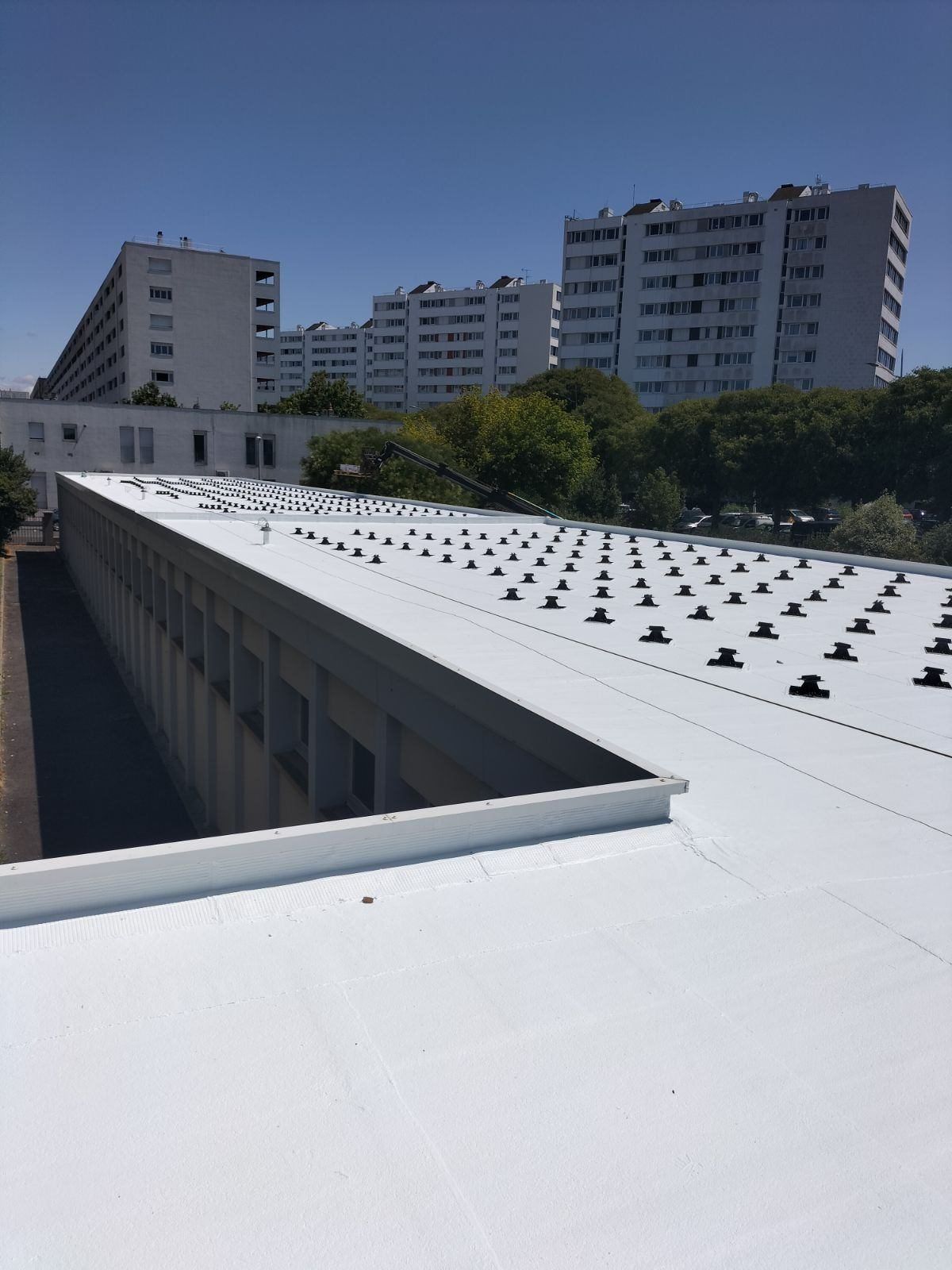
A school in La Rochelle, 1,000 m² of bitumen membrane, operates with this system without air conditioning: a Hélios project carried out with the same protocol.
Green Fund, CEE, public procurement: what you need to know
For a local authority, the French Green Fund (Fonds Vert) finances climate-change adaptation actions for public buildings, including the fight against overheating; eligibility and the rate depend on the call for projects run by the prefecture and on the application submitted. The French CEE incentive, sheet BAT-EN-112, does not apply to a sports hall without air conditioning; a private hall heated and cooled by heat pump may qualify under conditions. For public procurement, we provide a complete technical file: data sheets, test reports, opinion on the substrate, ten-year insurance certificate, references.
Steel deck, membrane, fibre cement: each roof type has its preparation
Most sports halls are covered with pre-painted or galvanised steel deck: medium-pressure cleaning, treatment of corrosion spots, PH169 primer at 10 m²/L. Bitumen membranes receive the primer at 6 m²/L. Fibre cement is only treated if asbestos-free, on buildings built after 1997, after a diagnosis. Polycarbonate rooflights can receive the PrimaTherm® LT semi-transparent lacquer to reduce the greenhouse effect without removing natural light.
How a project runs with Hélios
- Free study within 48 h: satellite measurement, substrate analysis, schedule compatible with the summer closure, documents for your Green Fund application.
- Site visit: condition of the substrate, adhesion tests, survey of rooflights, smoke vents and guardrails, prevention plan.
- Application in 4 layers, without lifting, in a few days, during the closure.
- Documented handover: before/after infrared readings, thickness checks, as-built file, ten-year insurance certificate, annual maintenance plan.
Why Hélios for your sports facilities
We apply the same system and the same checks as on the Airbus Marignane hangars, with published measurements. We only put forward certified or measured values, we turn down substrates at the end of their life, and we provide the technical documents a buildings department needs to prepare a funding application.
Frequently asked questions
By how much does the temperature drop in a sports hall?
On the roof surface, up to −30 °C: from 50–70 °C to 25–35 °C. In the hall, up to −6 °C felt depending on the insulation, the ventilation and the exposure of the facades. In a single-skin steel-deck sports hall, that is the difference between an unusable hall and a usable one in the afternoon. We measure before and after, at the same time of day, treated area versus control area.
Can the work fit into the summer closure?
Yes. A 1,500 m² sports hall is treated in a few days, without a crane or scaffolding: the drums and the pump stay on the ground in a marked-out area; only the hoses go up. The car park and the forecourt remain accessible. We schedule the work during the closure or the school holidays, with the sports department.
Can a municipal sports hall be financed by the French Green Fund?
The French Green Fund (Fonds Vert) finances climate-change adaptation and energy renovation actions for public buildings, including the fight against overheating. Eligibility and the rate depend on the call for projects run by your prefecture and on the application submitted. We provide the technical documents, data sheets and test reports, for your application. The French CEE incentive, sheet BAT-EN-112, does not apply to a sports hall without air conditioning.
How can a private gym be financed?
A fitness centre heated and cooled by heat pump may, under conditions, qualify for the French CEE incentive, sheet BAT-EN-112, reserved for commercial tertiary buildings. We check eligibility during the study. For a hall without air conditioning, the benefit is member comfort and summer attendance; the study quantifies the expected thermal gain.
Is a cool roof suitable for an indoor swimming pool?
Yes, with a diagnosis of the substrate: pool halls are hot and humid, the roof receives condensation on the inside and chlorinated spray on the pool side. The coating is applied to the outer face of the roof and reduces the summer thermal load; it replaces neither failing waterproofing nor insufficient ventilation.
Which roof types are compatible?
Pre-painted or galvanised steel deck, bitumen membrane and EPDM. Fibre cement is only treated if asbestos-free, on buildings built after 1997. A PVC membrane is only treated if it has been in place for more than ten years. The diagnosis checks the condition of the substrate and the adhesion before any commitment.