Huge roofs above teams that never stop
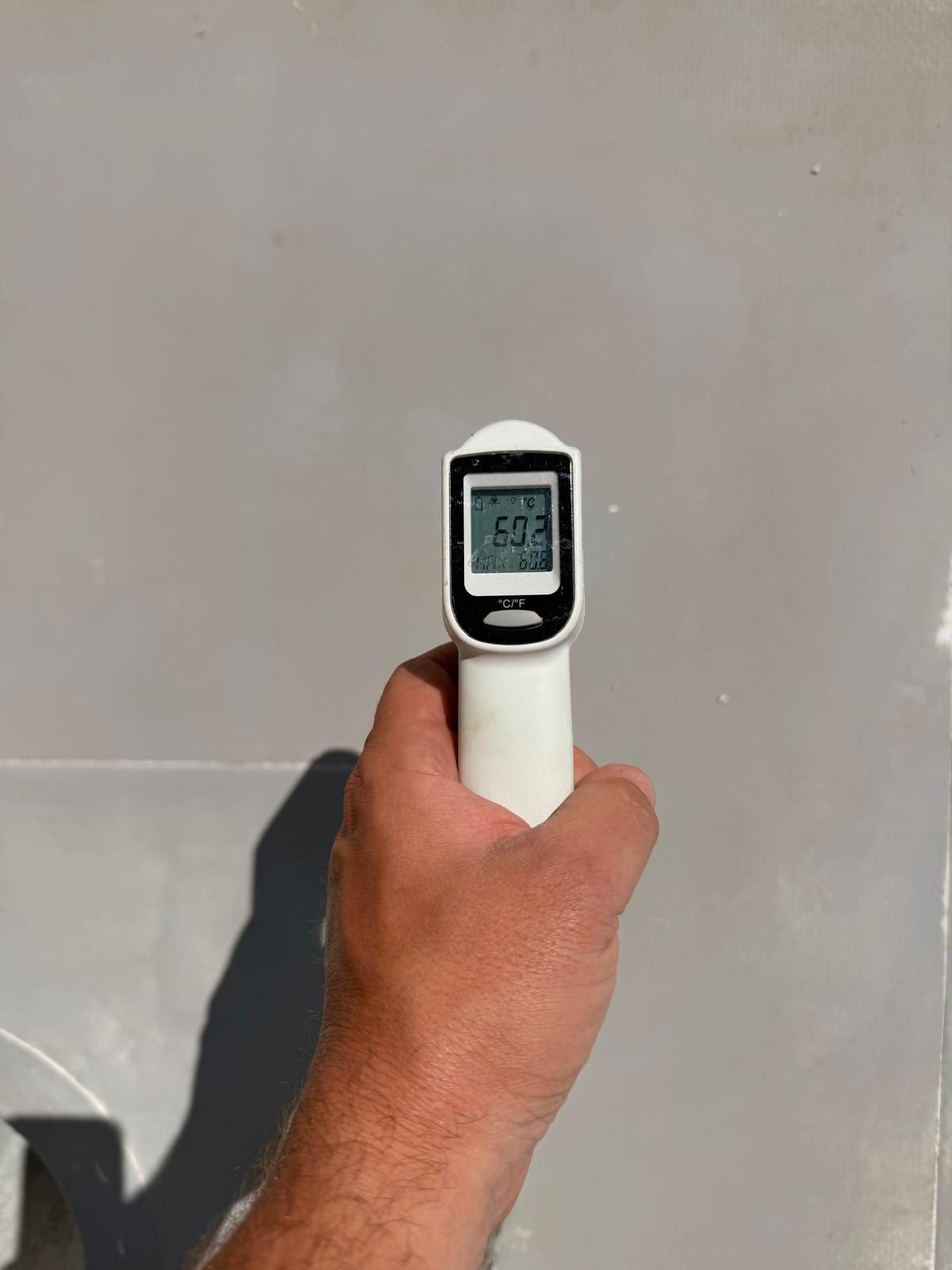
Bus depots, maintenance workshops, railway maintenance centres, parcel halls: transport operates long, high buildings, often covered with steel deck or dark bitumen membrane, sometimes lit by polycarbonate sawtooth roofs. In summer, the roof surface exceeds 60 °C and radiates towards the pits, the lifts and the workstations. Open doors change nothing: the heat comes from above.
The pace drops in the afternoon
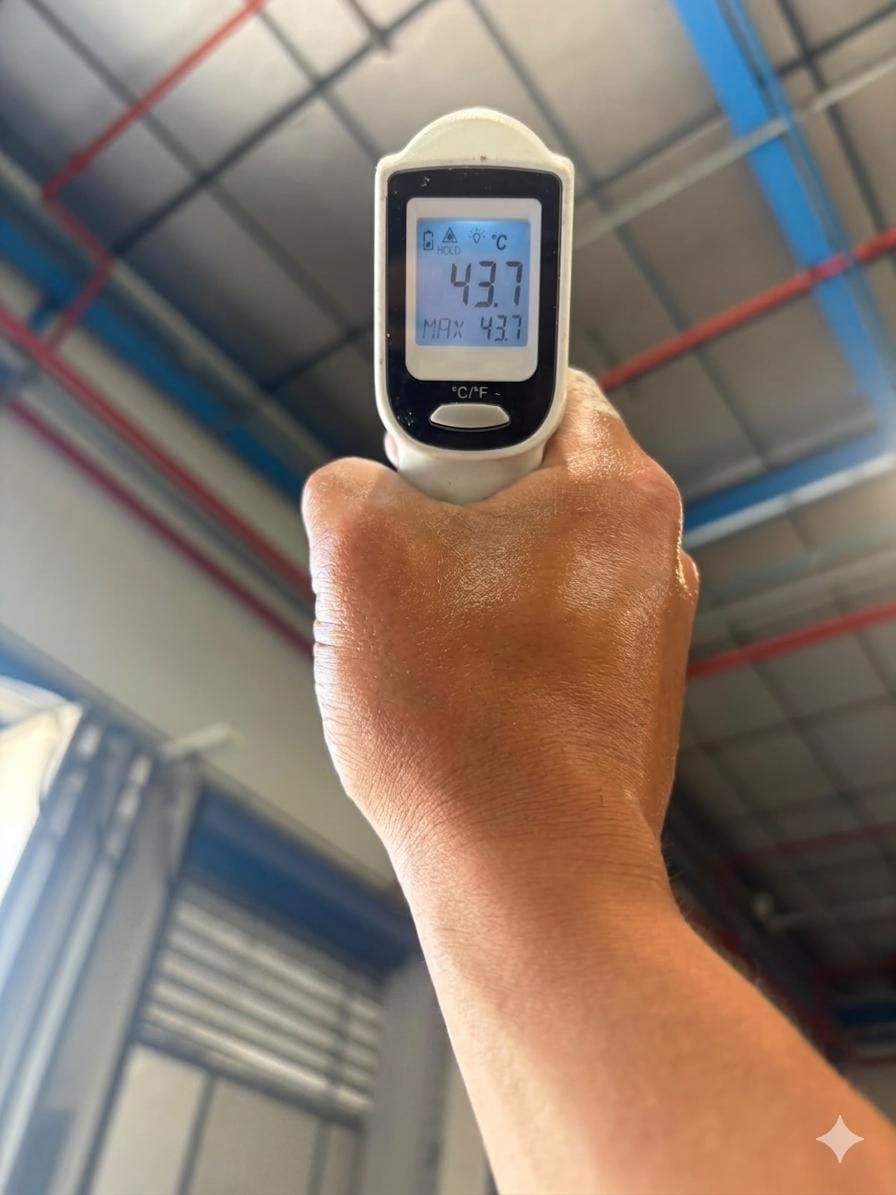
Above 28 °C, the INRS recommends adapting the organisation for physical work; above 35 °C, maintenance operations slow down, breaks get longer and the risk of accidents rises. On parcel docks, it is the sorting pace that falls away.
No slot to close
A depot parks its vehicles at night, sends them out in the morning and maintains them during the day. Any work must stay on the roof, without a crane in the traffic lanes, without a track or a door neutralised.
The reference: a railway maintenance centre treated while in operation
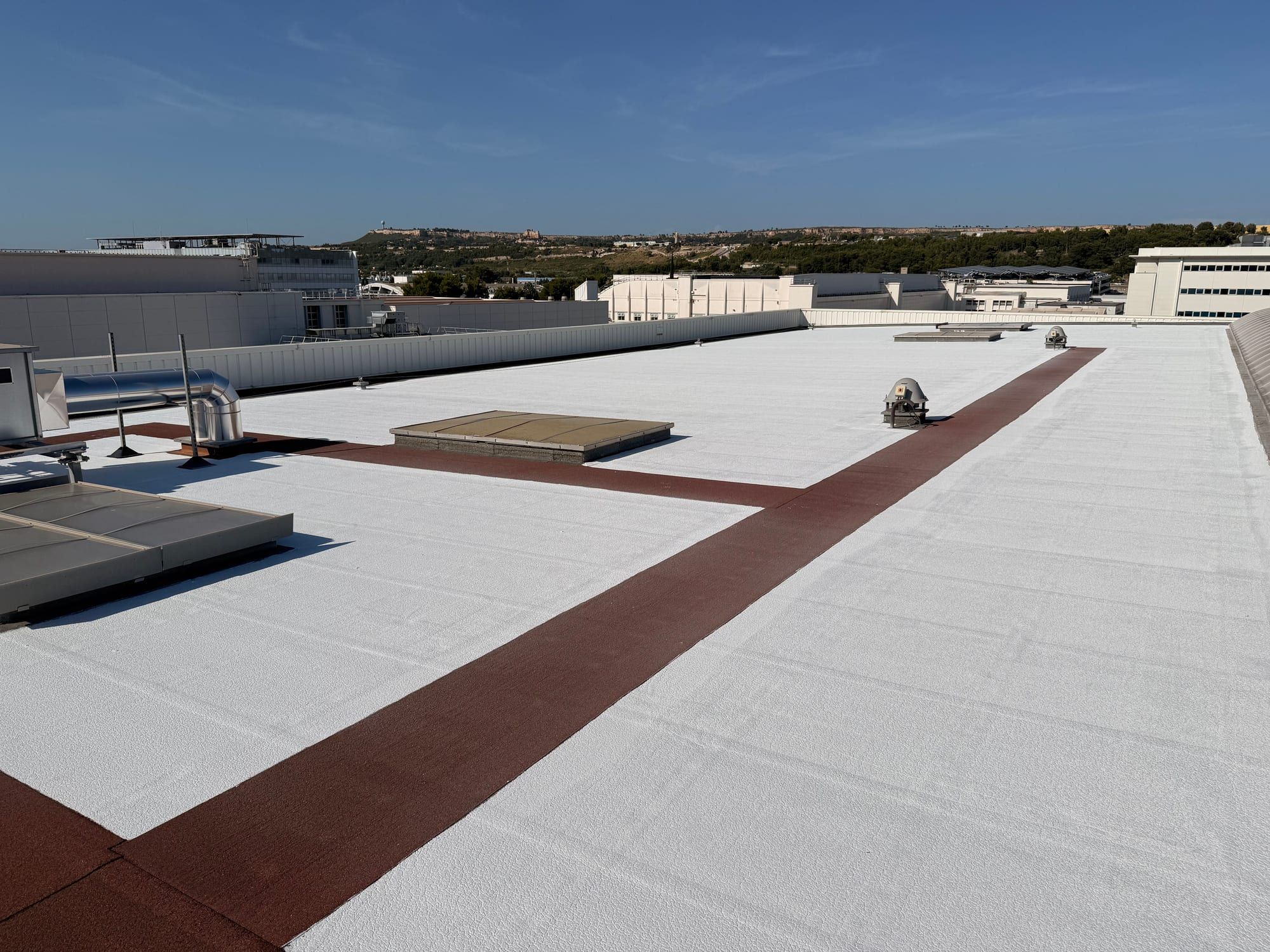
Hélios applied an athermal coating to the maintenance halls of the SNCF maintenance centre in Lyon Gerland, while in operation, under a railway prevention plan, with access coordinated with the operator. Drums and pump on the ground, hoses on the roof, no track neutralised. That is the protocol we apply on every transport site.
What the PrimaTherm® system changes in a depot or a workshop
The PrimaTherm® system is applied in 4 layers: PH169 primer suited to the substrate, PH107 reflective base coat in two passes, PH107TCL anti-soiling topcoat. It reflects 95 % of solar radiation (ASTM E903-12), with an emissivity of 0.89 and an SRI of 120, maintained at 119 after 4,000 hours of accelerated QUV ageing. With a Broof(t3) fire rating, it is water-based and solvent-free.
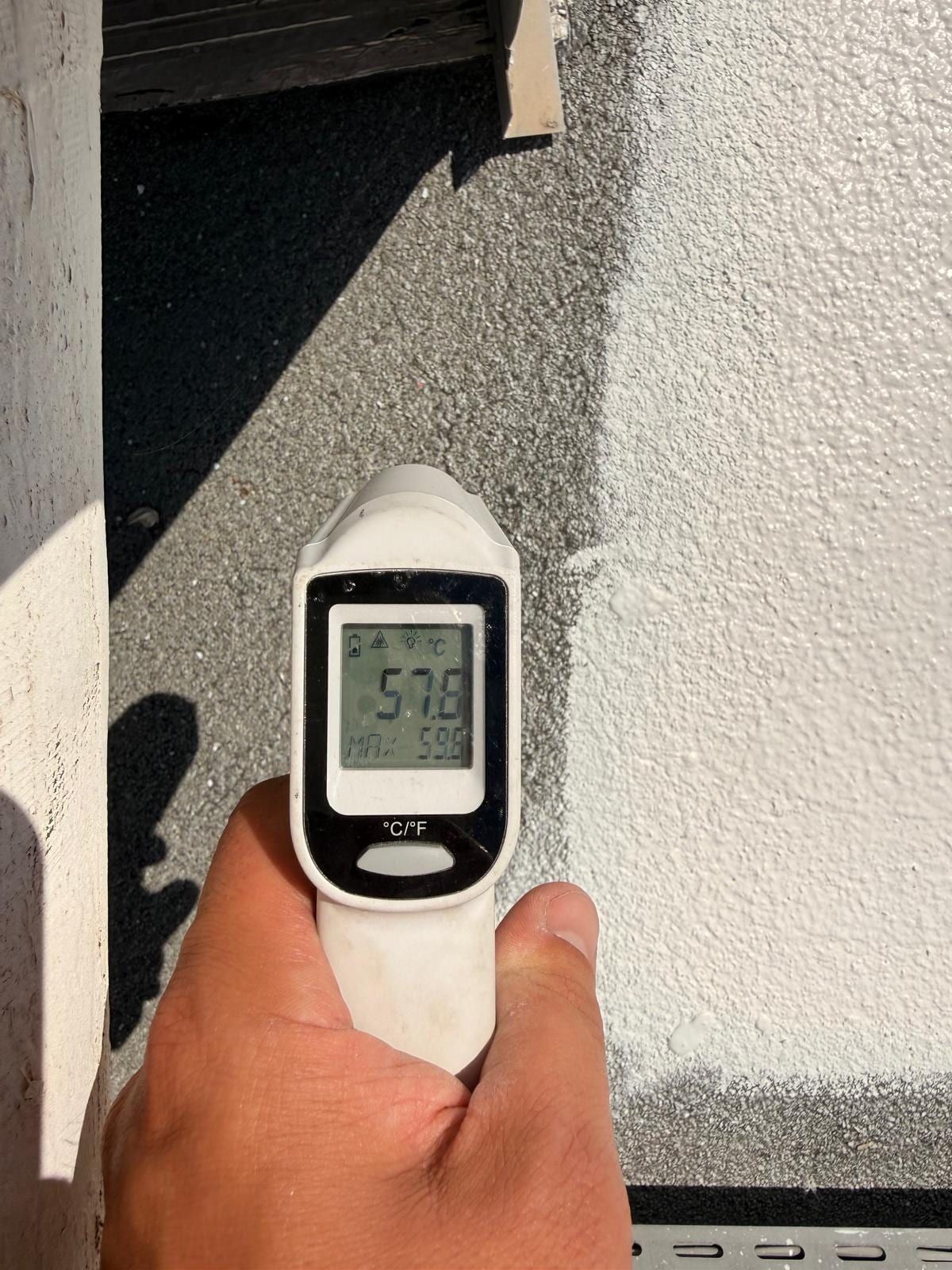
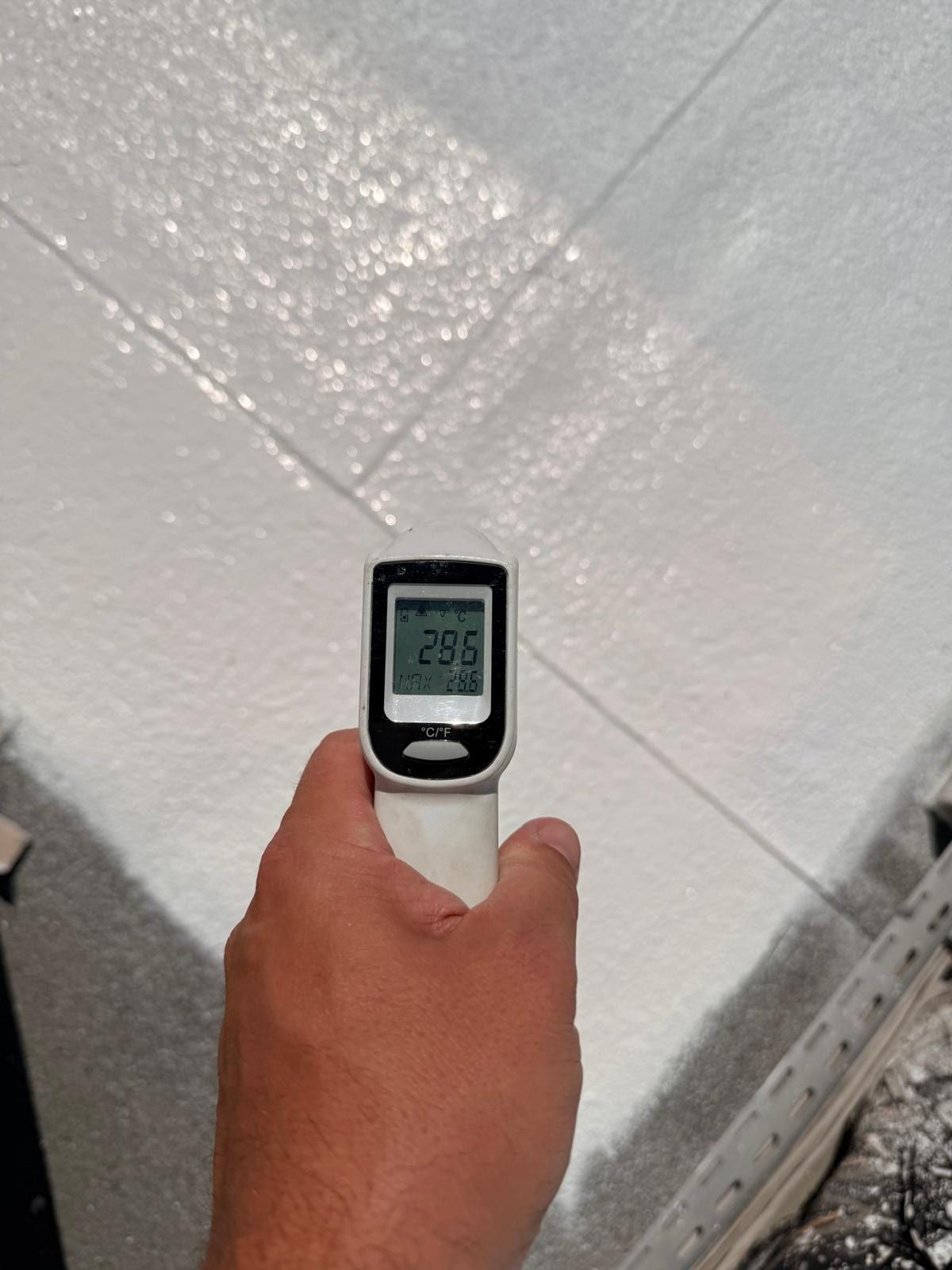
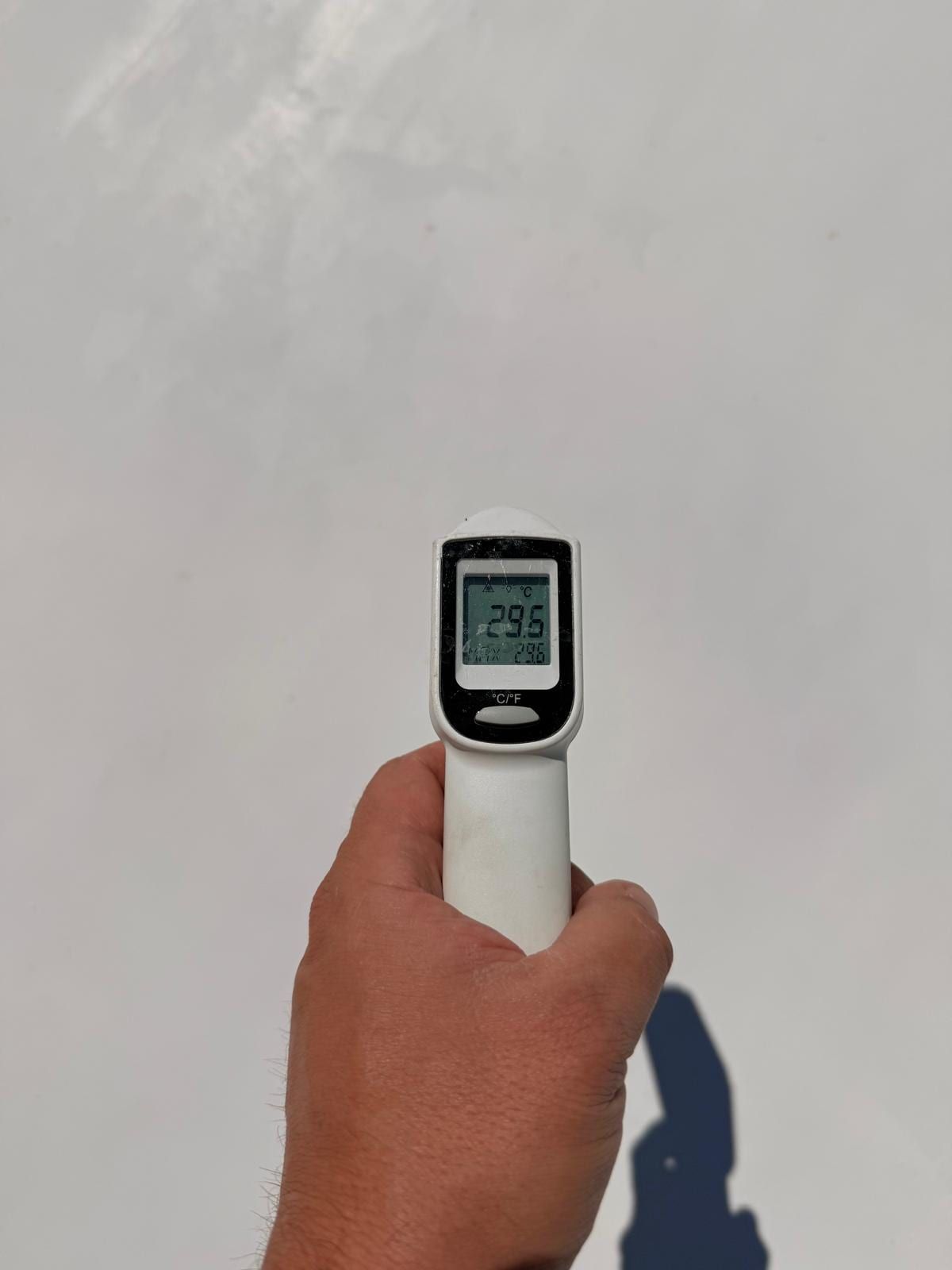
- Up to −30 °C on the roof surface, measured at handover.
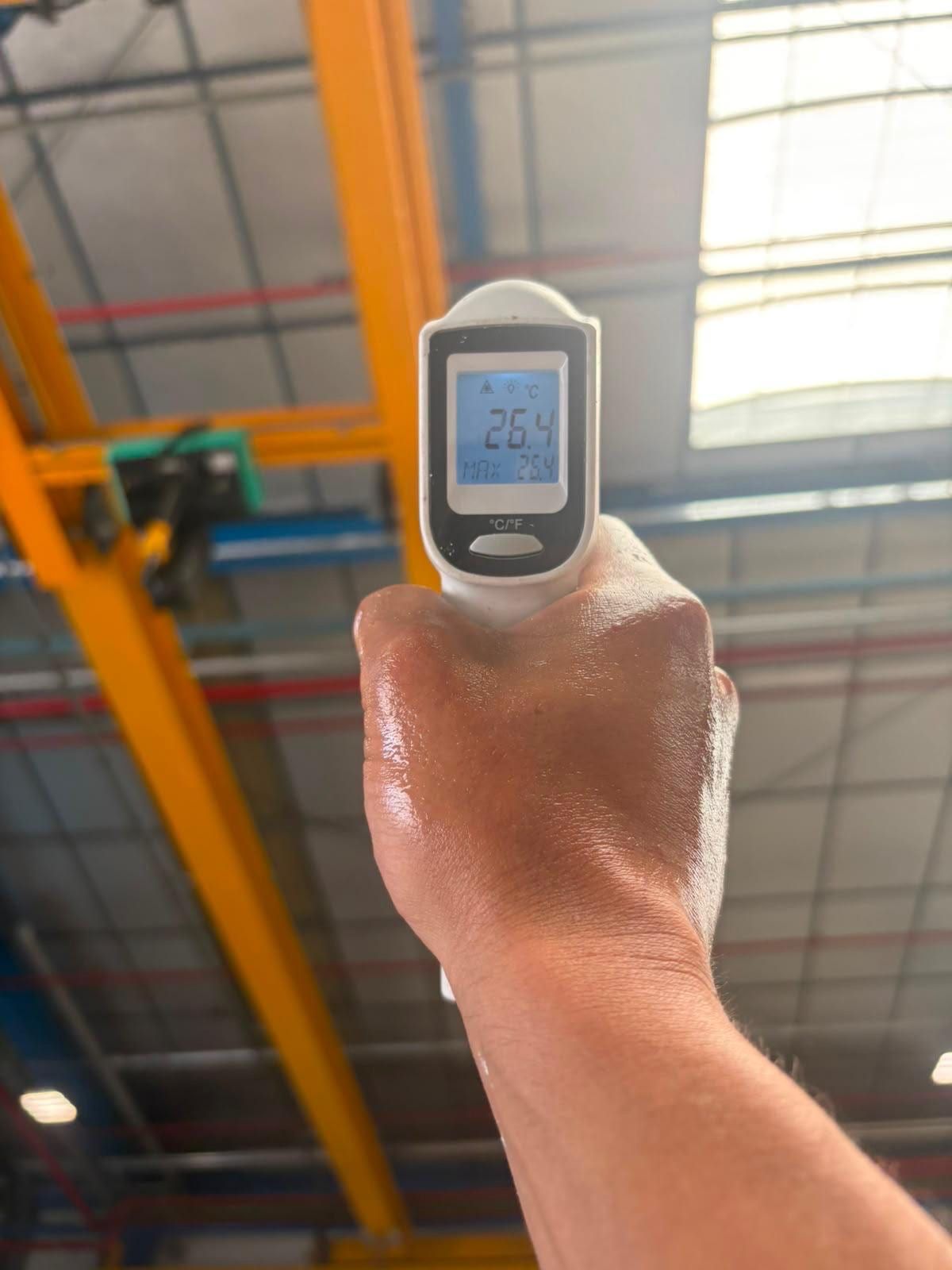
- Up to −6 °C felt under the roof, depending on the volume and the ventilation.
- In air-conditioned passenger buildings and offices, up to −40 % air conditioning in summer.
- A roof protected from thermal shocks, so a re-roofing postponed, with no load added to the frame.
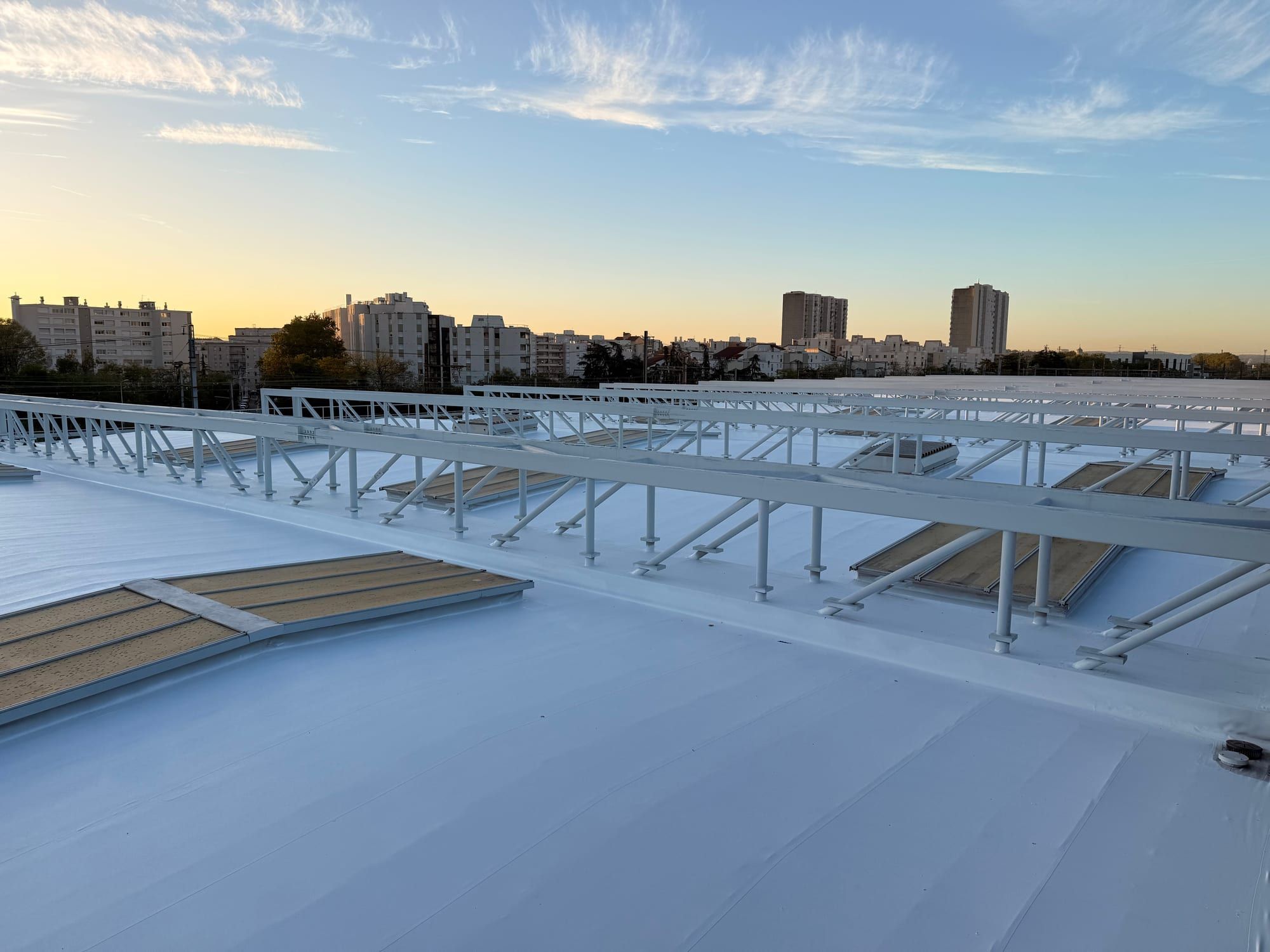
Polycarbonate sawtooth roofs and vaults receive the PrimaTherm® LT semi-transparent lacquer: the greenhouse effect decreases, the natural light remains.
Continuous operation, security, co-activity: what we take care of
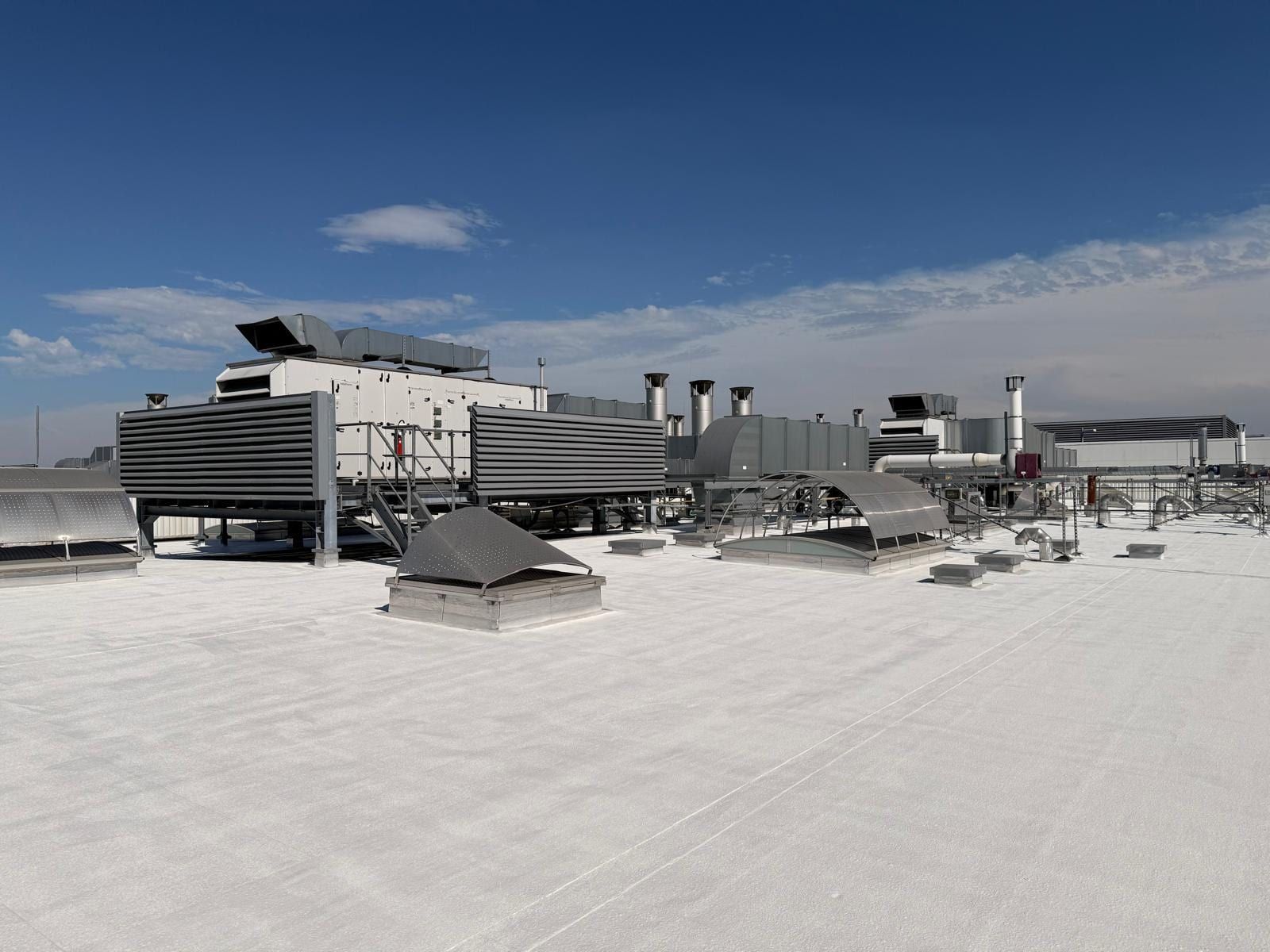
Our teams work under a prevention plan with the operator: risk analysis, working-at-height certifications, safety data sheets, adapted hours, at night or at weekends if the activity requires it. The ground area is marked out and limited to a few square metres, away from traffic. Smoke vents, rooflights, guardrails and walkways are protected and then returned to service as they were. Steel-deck roofs are cleaned and the corrosion spots treated before the primer; the steel deck guide details the preparation.
How a transport project runs with Hélios
- Free study within 48 h: satellite measurement of the roofs, substrate analysis, prioritisation by expected gain.
- Site visit and prevention plan: adhesion tests, survey of roof details, schedule compatible with operations.
- Application in 4 layers, without lifting, zone by zone, operations maintained.
- Documented handover: infrared readings treated area versus control area, thickness checks, as-built file, ten-year insurance certificate, maintenance plan.
Why Hélios for your transport sites
Because we have already worked in live railway operations, with the security and co-activity constraints that come with them, and we publish our measurements. We only state certified or measured values, we turn down substrates at the end of their life, and we document every step for your technical management and your transport authority.
Frequently asked questions
What did you do at the railway maintenance centre in Lyon?
We applied an athermal coating to the maintenance halls of the Lyon Gerland maintenance centre, a building in operation, with a railway prevention plan and access coordinated with the operator. The drums and the pump stayed on the ground; only the hoses went up to the roof. The project is published among our references with its photos.
Do depot operations need to stop during the work?
No. The application takes place entirely on the roof, from outside, without a crane or scaffolding. The ground area is limited to a few marked-out square metres, away from vehicle traffic. We plan the zones and the hours with the operator, including at night or at weekends if the activity requires it.
What is the gain in a workshop without air conditioning?
On the roof surface, up to −30 °C. Under the roof, up to −6 °C felt depending on the height of the volume, the insulation and the ventilation. The benefit shows mainly at the hottest hours, where the maintenance workstations suffer most. We measure before and after, at the same time of day, treated area versus control area.
What about sawtooth roofs, translucent vaults and rooflights?
Translucent polycarbonate surfaces can receive the PrimaTherm® LT semi-transparent lacquer, which reduces the greenhouse effect while keeping natural light. Smoke vents remain functional and are protected during application.
What does the regulation say about heat at the workstation?
The French Labour Code requires the employer to assess the risk linked to high temperatures in the single risk assessment document and to adapt the organisation. The INRS, the French occupational health and safety institute, recommends measures as soon as the temperature at the workstation exceeds 28 °C for physical work. Reducing the heat received by the roof acts on the cause and adds to the organisational measures.
Is a depot or a workshop eligible for an incentive?
The French CEE incentive, sheet BAT-EN-112, targets commercial tertiary buildings heated and cooled by heat pump; a depot or a workshop does not qualify. Air-conditioned passenger buildings and offices may qualify under conditions, and local authorities acting as transport authorities can call on the French Green Fund (Fonds Vert). We check building by building during the study.